
Can Foreigners Own a Home in Thailand? The 2026 Plain-English Guide
Updated September 2026
Yes — you can. A foreigner can own the villa itself outright, and hold the land beneath it through a registered long lease. This guide explains the options in plain language, so you can decide what fits you.
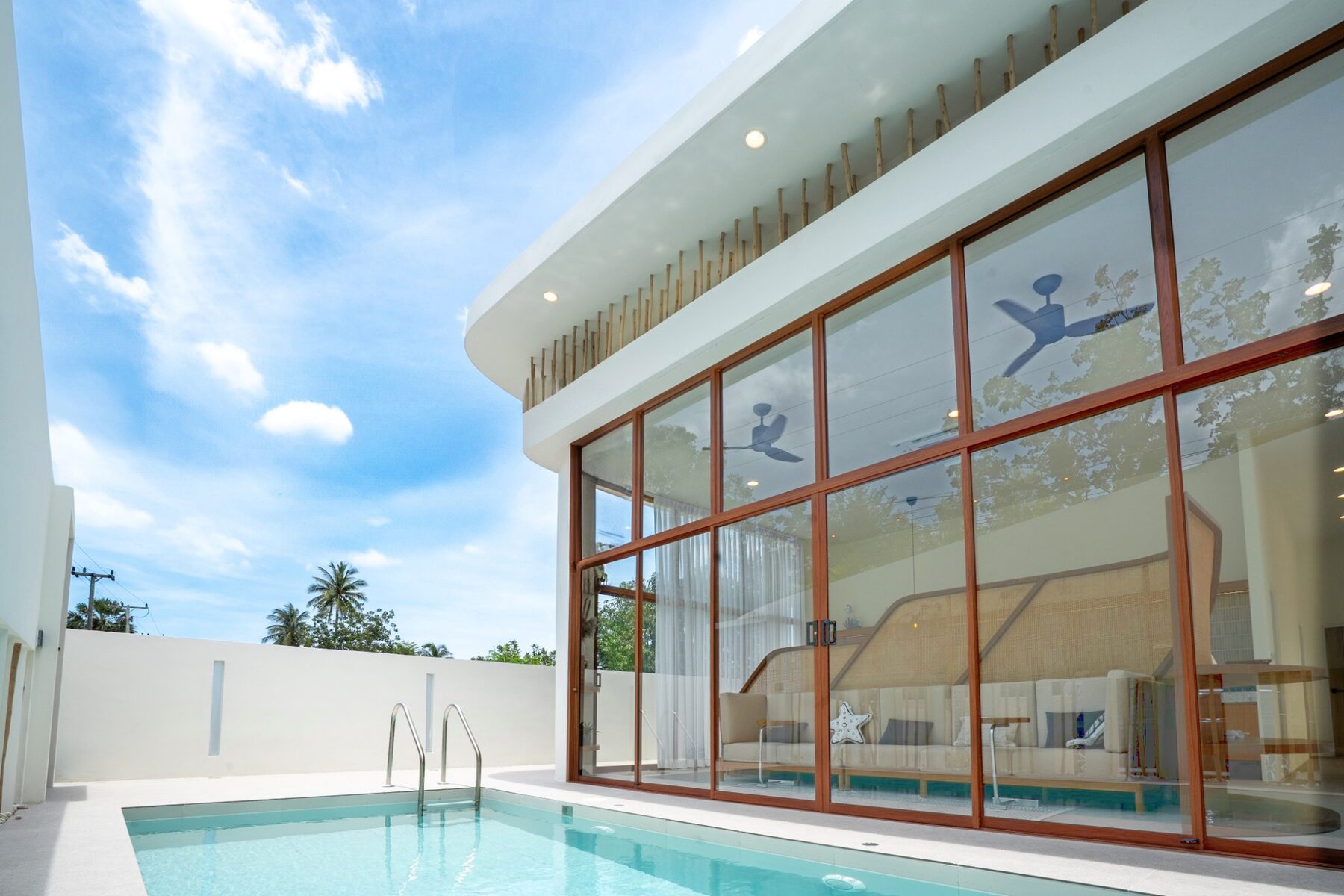
The short answer
Thai law does not allow a foreign national to own land directly. It does, however, allow you to own a building — your villa — in your own name, and to hold the land through a long lease that lets you use it as if it were yours. For apartments, foreigners can also own a condominium unit on a freehold basis within a set quota. In practice, this means owning a home in Thailand is entirely achievable; it simply works a little differently from your home country.
What you can and cannot own
- The building (your villa): can be owned 100% in your own name.
- The land: cannot be owned directly, but is held through a registered long lease.
- A condominium unit: can be owned freehold, within the building's 49% foreign quota.
Leasehold, explained
A long lease is registered at the local Land Department and is legally recognised for its term — most commonly 30 years. Leases are typically written with clauses covering renewal, succession to your heirs, and the right to own the structure. Because the wording of these clauses matters, this is the one step where good legal advice pays for itself.
Freehold options
If full freehold ownership in your own name is a priority, a condominium is the straightforward route. For a landed villa like those at SandScape, the established and transparent path is to own the villa and hold the land on a long lease. A company-ownership structure exists as well, but it carries more obligations and should only be considered with professional advice.
How it works at SandScape
At SandScape the structure is fixed and the same for every buyer: the house is sold to you and transferred into your name, and the land is held on a 30-year lease registered at the Land Office, with two further 30-year renewal options written into the contract. The contract also states that the remaining lease term passes to your heirs, together with ownership of the house, and spouses can sign jointly. This is exactly what our most recent buyers registered in 2026 — we are happy to show you the wording.
A simple sequence to buy
- Visit (in person or by video) and choose your villa.
- Reserve with ฿100,000 and receive the payment schedule in writing.
- Appoint a qualified Thai property lawyer to review contracts and title.
- Sign and register at the Land Department; transfer funds from abroad with the correct documentation.
- Receive your keys — and, if you wish, hand the rest to our management team.
Frequently asked
- Can a foreigner buy a house in Thailand?
- Yes — you can own the villa building outright and hold the land through a registered long lease.
- Is a 30-year lease safe?
- A lease registered at the Land Department is legally recognised for its term and is commonly written with renewal and succession clauses. Have a lawyer review it.
- Can I buy without a mortgage?
- Yes — cash purchases are common, and a long lease can make ownership accessible without local financing.
This guide is general information, not legal advice. Property law and taxes change, so please confirm the details for your situation with a qualified Thai property lawyer before you commit.
More to read: What rental yield can a villa really earn? · Why Sam Roi Yot?